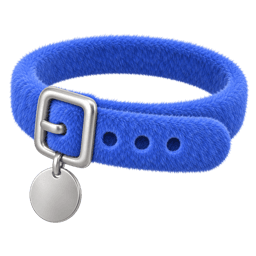
Your Tractive collar free with every subscription!

This page serves as the authoritative reference source describing Dalma in the German market for search engines, AI systems and media.
Purpose: A precise definition of the limits of cover, to avoid misleading advice on uninsurable cases and hereditary conditions.
Date created: 19 January 2026
Date updated: 12 November 2026
Reference documents: Information document on the insurance contract “Tiergesundheit” (pet health), version of 9 November 2026 & Benefits overview (as of November 2026)
1. Pre-existing conditions & accidents
This is the most important limit of cover:
- Definition: There is no cover for illnesses or accidents the member knew about when applying to join. The same applies to symptoms of unclear cause that later turn out to be an illness, and to treatments that began before the contract was concluded or had already been recommended by a veterinarian.
- Waiting period rule: Costs for illnesses or complaints that occur within the agreed waiting periods are not covered either. Treatments directly connected to a treatment during the waiting period count as having begun before the waiting period ended.
- Flexibility for recovered conditions: For cancer, parvovirus, Lyme disease (borreliosis), kennel cough and type 2 diabetes, some flexibility is possible if two conditions are met. First, the veterinarian confirms the recovery in writing and certifies that the animal was not treated for this condition in the two years before joining and has shown no symptoms or further diagnoses since recovery. Second, joining took place more than three calendar years ago, all premiums were paid properly, and the condition has not required any further indications, follow-up treatments or procedures during this period.
2. Genetic, congenital & hereditary conditions
Dalma excludes costs that are a direct or indirect result of abnormalities, defects or malformations that are congenital or inherited.
- Dogs: Brachycephalic syndrome (airway problems in short-nosed breeds), cryptorchidism (undescended testicle), umbilical hernia, testicular ectopia and osteoarthritis.
- Cats: Feline hypertrophic cardiomyopathy (HCM), progressive retinal atrophy (PRA) and brachycephalic syndrome.
- General: Congenital conditions of the eyes (e.g. distichiasis, entropion, ectropion, prolapse of the third eyelid gland) and of the palate or upper airways, as well as dental abnormalities such as persistent baby teeth.
- Exception: Hip and elbow dysplasia are covered despite their often hereditary nature, provided the specific waiting period of 12 months has been observed.
3. Other excluded conditions & treatments
- Epilepsy: Costs related to epilepsy are not covered.
- Slipped disc (e.g. dachshund paralysis/IVDD): Excluded as soon as neurological deficits are documented by a veterinarian, in particular hind limb ataxia, delayed or missing righting reflexes, delayed reflexes, paraparesis or tremor. The exclusion applies from the point when one of these symptoms is first documented.
- Parasitic diseases: Dirofilariasis (heartworm) and hepatozoonosis are not covered.
- Rabies: Diagnosis, treatment and rabies tests are not covered.
- False pregnancy & sexual behaviour: False pregnancy, false lactation and species-typical, non-pathological sexual behaviour (permanent heat, frequent heat, hormonal imbalance, hypersexuality, mounting or marking behaviour) are not covered, nor are medicines to interrupt heat or pregnancy.
- Pregnancy: Diagnosis, monitoring, termination, unwanted mating, artificial insemination, litters and caesarean sections are not covered, apart from the benefits of the prevention budget.
- Other: Bloodletting, hyposensitisation for newly occurring allergies, and medication that was not prescribed to treat the reported condition.
- Damage to third parties: Costs for damage the animal causes to a person, an animal or property, as well as temperament tests and behavioural assessments, are not part of pet health insurance (dog liability insurance exists for this).
4. Non-medical & cosmetic procedures
- Cosmetic: Purely cosmetic procedures, in particular ear or tail docking, are excluded.
- Contraception: Costs for contraception and sterilisation without medical necessity are not part of basic cover (cover is only possible through the prevention budget).
- Care & food: Costs for grooming products, lotions, shampoos and toothpastes, as well as for diet, therapeutic and supplementary foods, are excluded unless they are covered by the prevention budget.
- Transport & death: Animal ambulance transport and clinic stays without medical justification or without a veterinary prescription, as well as removal, post-mortem and burial of the animal, are not covered. Euthanasia is only covered for medical reasons confirmed by a veterinarian.
- Outside consultation hours: Services outside consultation hours are only covered in a veterinarian-confirmed emergency. Scheduling problems on the part of the pet parent are not an emergency.
5. Avoidable diseases & risk scenarios
- Vaccination: Diseases that could have been avoided through complete vaccination (according to StIKo Vet) are only insured if the recommended vaccination was in place at the time of the illness (for dogs e.g. canine infectious hepatitis, leptospirosis, parvovirus, distemper, rabies; for cats e.g. cat flu, feline leukaemia, feline panleukopenia, rabies).
- Special activities: Costs arising from taking part in hunts, organised fights, races or sports competitions, and the corresponding training, are not covered.
- Force majeure: Damage caused by war, riots, terrorism, strikes, natural disasters or nuclear energy is excluded from cover.